by The Rev. Everett Charters | Nov 25, 2025
This fall, I received training through TogetherLab to serve as a clergy presence at the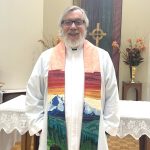 U.S. Immigration Court and the ICE detention center in Portland. I had no idea how soon and how close to home I would need to put that training into action.
Washington County, where I live and where I serve as priest at St. Gabriel’s, Portland, has been one of the hardest-hit areas in Oregon when it comes to ICE enforcement. Local leaders, including the Hillsboro and Forest Grove City Councils, have declared a state of emergency in response to what they have called “racist, arbitrary, and violent” arrests and detentions.
Even before I became involved, members of St. Gabriel had begun volunteering with the Western Farm Workers Association (WFWA) in Hillsboro, which offers emergency food, clothing, legal support, and preventive health care to migrant and immigrant farmworkers. Thanks to their leadership, our congregation has committed to providing ongoing material support to this work.
We are also connecting with other trusted organizations, such as Adelante Mujeres in Forest Grove and Centro Cultural in Cornelius, that serve Hispanic and immigrant families throughout our county. Sadly, these centers of hope are often surrounded by fear. ICE presence has been reported near their locations, as well as in grocery store parking lots, at workplaces, and even near schools. In some heartbreaking instances, parents have been detained while simply waiting with their children at the school bus stop.
As formal institutions struggle to respond, informal networks—often led by educators and volunteers—have begun to organize. These groups offer practical support, maintain a presence in high-risk areas, and act as witnesses to protect vulnerable families. They work quietly and carefully, using encrypted communication and discreet organizing to ensure safety and confidentiality.
What I have witnessed is both sobering and inspiring. Neighbors, many of them white, English-speaking residents, are stepping into unfamiliar spaces to stand with their Hispanic neighbors in love and solidarity. It is a powerful reminder of what grassroots justice can look like: public organizations supported by decentralized networks of care, courage, and quiet resistance.
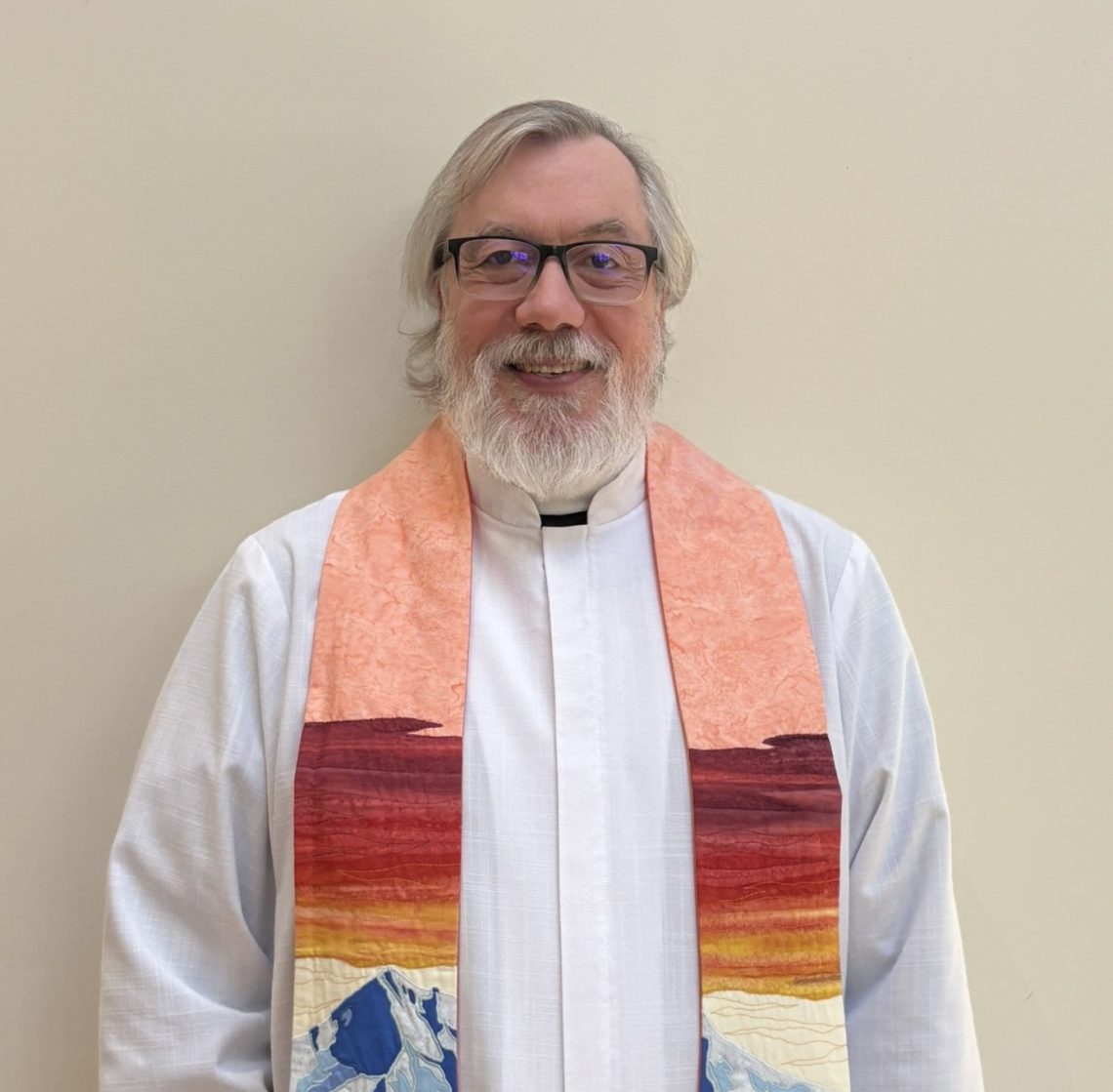
As for me, I’ve begun standing at school bus stops in Cornelius, wearing my clerical collar, as TogetherLab advised, to be a visible, pastoral presence. It’s a small act, but a meaningful one. I have not personally witnessed an arrest, but I have seen the tension in parents’ faces as they wait with their children. And I have seen the profound relief that washes over them when those children return home safely.
As disciples of Jesus, we vow in our baptismal covenant to resist evil, to seek and serve Christ in all persons, and to respect the dignity of every human being. These are not just words for the sanctuary, they are calls to action. Right now, our neighbors need us. Right now, we are being invited to live our faith in the parking lots, schools, and street corners of our own communities.
May we heed that call with compassion, courage, and hope.
1. WashCo for All Resources to Protect our Immigrant Neighbors Flyer